

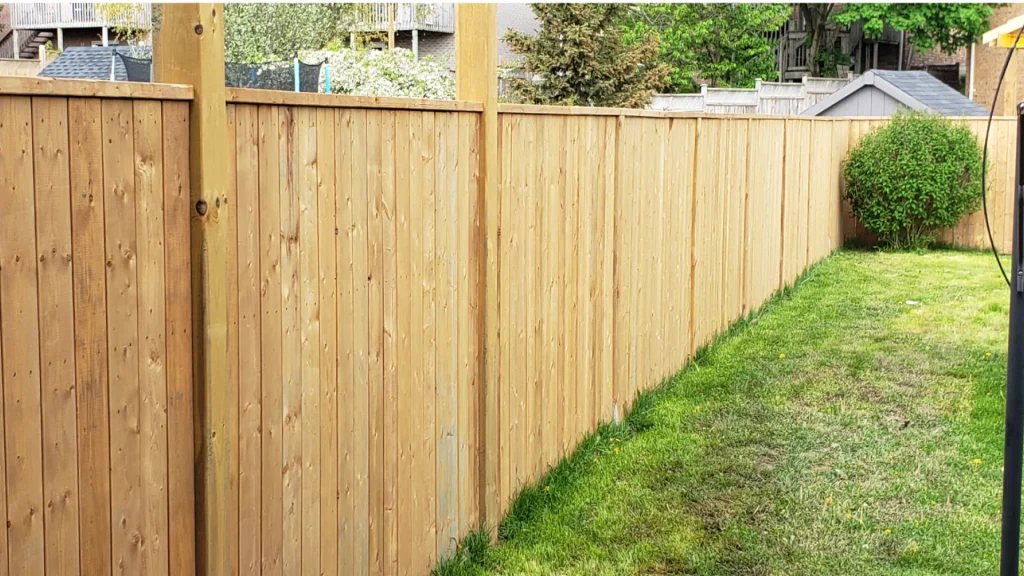
A privacy fence does more than define your property lines. It creates a secure outdoor space, improves curb appeal, reduces noise, and adds a sense of privacy that many homeowners value. While installing a fence may seem like a straightforward weekend project, building one that stands strong for years requires careful planning, quality materials, and proper installation techniques.
If you’ve been researching how to build a privacy fence, understanding the process before you begin can help you avoid costly mistakes. From selecting the right materials to setting sturdy fence posts, every step plays an important role in the fence’s long-term durability.
In this guide, you’ll learn how to put up privacy fence, explore common fence heights, discover whether does a privacy fence raise the value of your home, and understand why hiring a professional fencing service is often the best investment.
Why Install a Privacy Fence?
Privacy fences are one of the most popular home improvement projects because they provide both functional and aesthetic benefits.
Some of the biggest advantages include:
- Increased privacy from neighbors and nearby roads
- Improved security for children and pets
- Reduced visibility into outdoor living spaces
- Better wind protection
- Enhanced curb appeal
- Clearly defined property boundaries
- Greater enjoyment of patios, pools, and backyards
A well-built privacy fence also gives homeowners greater flexibility when designing outdoor entertainment areas or landscaping projects.
How to Build a Privacy Fence
Learning how to build a privacy fence starts with proper planning. Every successful installation follows a series of important steps that help ensure strength, stability, and long-lasting performance.
1. Plan the Fence Layout
Before digging any holes, carefully determine where the fence will be installed.
This includes:
- Confirming property boundaries
- Checking local zoning regulations
- Reviewing neighborhood requirements
- Identifying underground utility lines
- Measuring the total fence length
Taking time to plan prevents installation delays and helps avoid future disputes.
Choose the Right Materials
The materials you choose have a major impact on the fence’s appearance, maintenance needs, and lifespan.
Common privacy fence materials include:
1. Wood
Wood remains one of the most popular options because it offers a classic appearance and can be stained or painted to match your home.
Popular wood choices include:
- Cedar
- Redwood
- Pressure-treated pine
2. Vinyl
Vinyl fencing requires very little maintenance and resists moisture, insects, and rot. It maintains its appearance for years without needing paint or stain.
3. Composite
Composite fencing combines recycled wood fibers and plastic to create a durable material that resists fading, cracking, and warping.
4. Metal Framing with Privacy Panels
Some homeowners choose decorative metal framing paired with privacy panels for additional strength and modern design.
The right material depends on your budget, maintenance preferences, and desired appearance.
Gather the Proper Tools
Anyone researching how to put up privacy fence should understand that specialized tools make installation safer and more accurate.
Common tools include:
- Post hole digger or auger
- Shovel
- Tape measure
- String line
- Level
- Circular saw
- Power drill
- Hammer
- Concrete mix
- Safety equipment
Professional fencing contractors also use commercial-grade equipment that improves installation speed and accuracy.
Set Strong Fence Posts
The fence posts are the foundation of the entire structure.
Proper post installation includes:
- Digging holes below the frost line where applicable
- Spacing posts evenly
- Using concrete to secure each post
- Checking for level before the concrete sets
- Allowing adequate curing time
Improperly installed posts are one of the leading causes of leaning or unstable fences.
Install Rails and Fence Panels
Once the posts have fully cured, horizontal rails are attached between each post.
Fence boards or panels are then installed while maintaining consistent spacing and alignment.
Professionals carefully check each section to ensure:
- Straight lines
- Uniform height
- Secure fasteners
- Proper spacing
- Smooth transitions around corners
Attention to detail during this phase creates a fence that looks clean and performs well for years.
Protect the Fence
Wood fences should be sealed, stained, or painted to help resist moisture, sun exposure, and insect damage.
Regular maintenance helps extend the life of your investment by protecting the wood from weather-related deterioration.
Vinyl and composite fences generally require only occasional washing to maintain their appearance.
How Tall Is a Privacy Fence?
Many homeowners ask how tall is a privacy fence before beginning their project.
The most common residential privacy fence heights include:
- 4 feet
- 6 feet
- 8 feet
A six-foot fence is the most popular choice because it provides substantial privacy while complying with many local residential regulations.
However, allowable fence heights vary depending on municipal codes, homeowners associations, and property location.
Before installation, always verify local requirements to ensure compliance.
How High Is a Privacy Fence?
Closely related to height selection is the question, how high is a privacy fence for maximum effectiveness.
Most backyards use fences between six and eight feet tall. Taller fences offer additional privacy and noise reduction but may require special permits or approvals in certain areas.
Front yard fences often have lower height limits to preserve visibility and neighborhood aesthetics.
A professional fencing contractor can recommend the appropriate height based on local regulations and your property’s layout.
Does a Privacy Fence Raise the Value of Your Home?
One of the most common homeowner questions is does a privacy fence raise the value of your home?
In many cases, yes.
While the exact return varies by neighborhood and buyer preferences, a professionally installed privacy fence can make a property more appealing by providing:
- Enhanced security
- Increased privacy
- Safe play areas for children
- Enclosed spaces for pets
- Improved landscaping appearance
- Better outdoor living opportunities
Many buyers view a quality privacy fence as a desirable feature, particularly in neighborhoods where outdoor living spaces are important.
The greatest value typically comes from fences that are professionally installed, well-maintained, and designed to complement the home’s architecture.
Common Privacy Fence Mistakes
Although many homeowners attempt DIY fence installation, several common mistakes can shorten the fence’s lifespan.
These include:
- Misaligned fence posts
- Uneven fence panels
- Inadequate post depth
- Poor drainage around posts
- Incorrect fasteners
- Ignoring property lines
- Failing to check local codes
- Skipping protective finishes on wood
Even small installation errors can lead to expensive repairs later.
Why Hire a Professional Fencing Service?
While learning how to build a privacy fence provides valuable insight, installing one requires precision, experience, and specialized equipment.
Professional fencing companies offer several advantages:
- Accurate property measurements
- Proper permit guidance
- Knowledge of local building codes
- Professional-grade equipment
- Correct post installation techniques
- High-quality craftsmanship
- Faster project completion
- Thorough cleanup
Professionals also understand how soil conditions, drainage, and terrain affect fence performance over time.
Hiring an experienced fencing contractor helps ensure your investment remains attractive and structurally sound for many years.
Maintaining Your Privacy Fence
Once your fence is installed, regular maintenance keeps it looking its best.
Simple maintenance includes:
- Inspecting posts annually
- Tightening loose hardware
- Cleaning dirt and mildew
- Trimming vegetation away from the fence
- Reapplying stain or sealant as needed
- Repairing damaged boards promptly
Routine care extends the fence’s lifespan and preserves its appearance.
Final Thoughts
Understanding how to build a privacy fence helps homeowners appreciate the planning, materials, and craftsmanship required to create a durable, attractive barrier. From selecting quality materials to properly setting fence posts, every step contributes to a fence that provides lasting privacy, security, and curb appeal.
Whether you’re researching how to put up privacy fence, wondering how tall is a privacy fence, asking how high is a privacy fence, or considering does a privacy fence raise the value of your home, professional installation offers peace of mind and long-term value.
If you’re ready to add privacy, security, and beauty to your property, contact a professional fencing service. Experienced installers can recommend the best materials, ensure your fence meets local requirements, and build a structure designed to withstand years of daily use and changing weather conditions.